Renal Tumors
The 2016 WHO Kidney Tumors added a number of new subtypes with unique cytogenetic abnormalities that can help in diagnosis and differential diagnosis. (1) Acquired Cystic Kidney Disease (ACD)-associated renal cell carcinoma is present with the acquisition of chromosomes 3, 7, 16, 17, and Y. (2) Clear cell papillary renal cell carcinoma is a low-grade malignant rare tumor that morphologically needs to be differentiated from a variety of renal carcinomas with clear cell and papillary structures, including renal clear cell carcinoma, papillary renal cell carcinoma, and Xp11 translocation renal carcinoma; clear cell papillary renal cell carcinoma does not have 3p deletion, mutation of the VHL gene, or chromosome 7 and 17, which is characteristic of renal clear cell carcinoma. chromosome gain and Y chromosome deletion;
Most posterior renal adenomas have the BRAF V600E mutation, and the characteristic chromosome 7/17 triploidy abnormality of PRCC is rare;
Acquired Cystic Kidney Disease-associated Renal Carcinoma (ACKD RCC) often involves multiple chromosomal alterations, including chromosome 3/6/7/16/17 and the Y chromosome, with chromosome 3 being the most common to be gained;
Papillary renal cell carcinoma (ACKD RCC) often involves multiple chromosomal alterations, including 3/6/7/16/17 and Y chromosomes, with chromosome 3 being the most common; papillary renal cell carcinoma (PRCC) has polyploid or triploid alterations of chromosomes 7 and 17 being the most common;
Mucinous tubular and stromal cell carcinoma (MTSCC) involves multiple chromosomal losses, but does not have gain of chromosomes 7 and 17, which can be differentiated from papillary renal cell carcinoma (PRCC);
Increased Y deletion of chromosome 7/17 is used for the adjuvant diagnosis of tubulocystic renal cell carcinoma (TCRCC);
ACD- associated RCC with 3/16/Y increase;
In addition, the cytogenetic abnormality in smoky cell renal cell carcinoma is the occurrence of deletions on chromosome 1/2/6/10/13/17/21 with an incidence of 70-90%, which can be differentiated from eosinophilic renal cell tumor.
Chromosome number and long and short arm testing
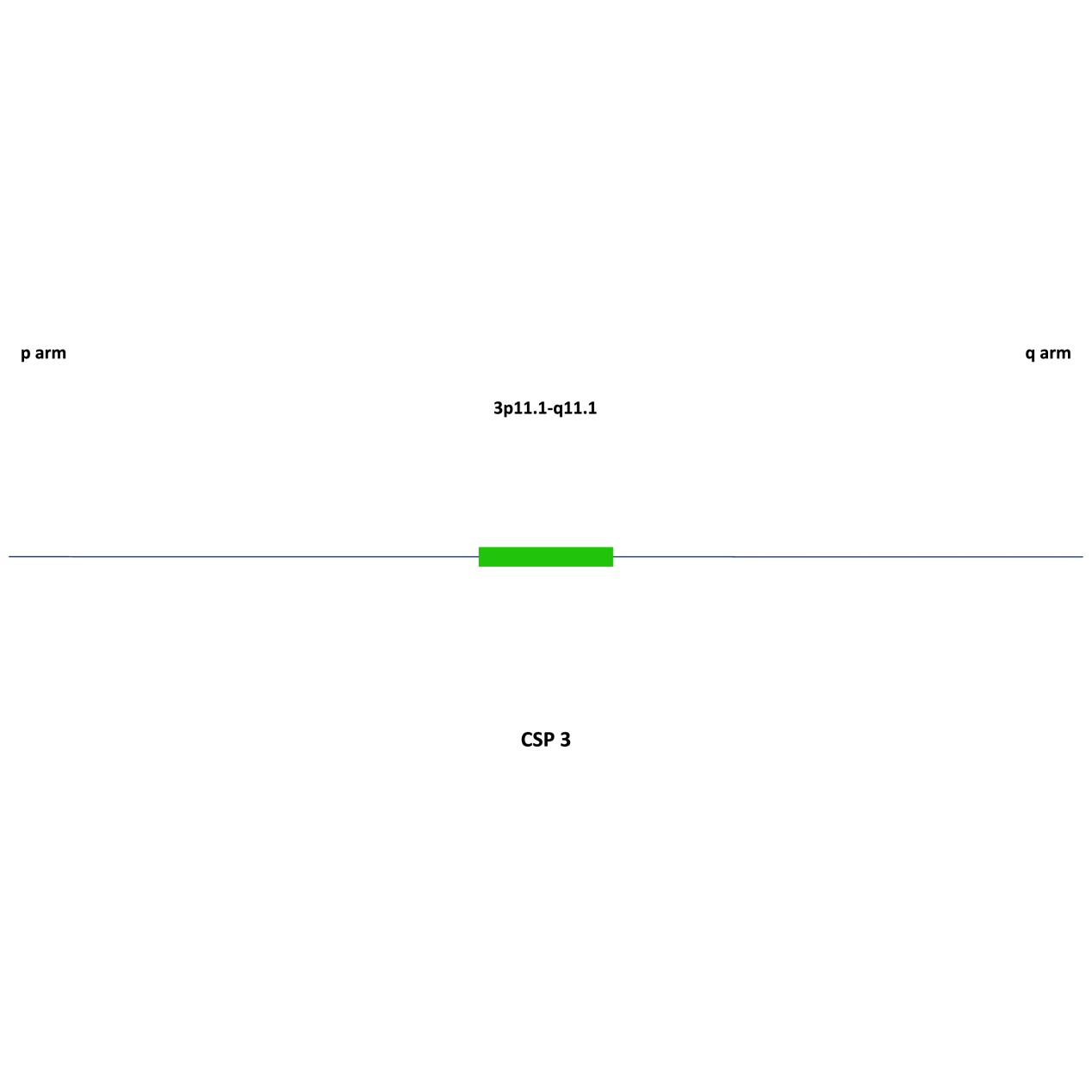
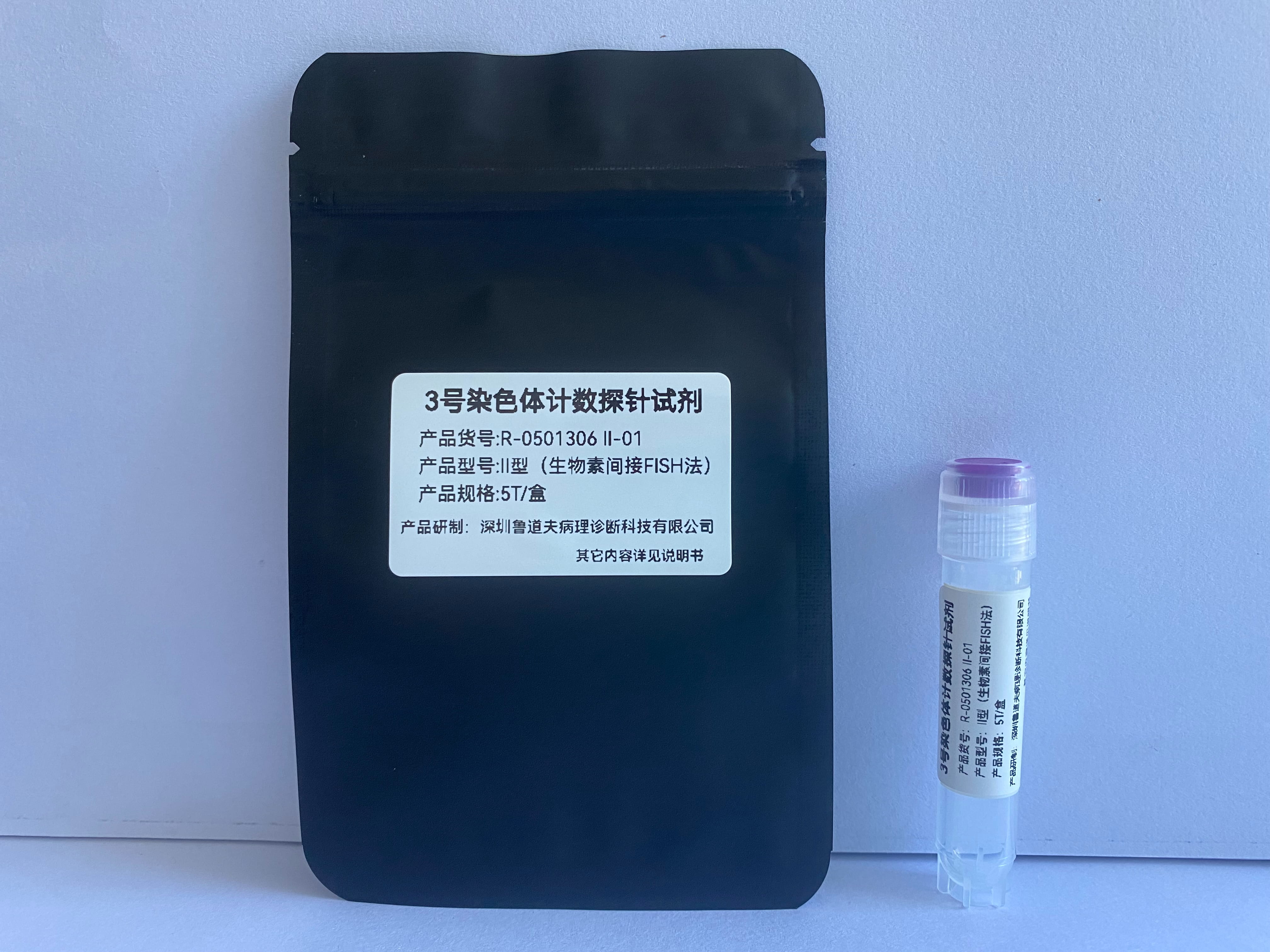
Chromosome number testing for chromosome 3.





 0752-2228195