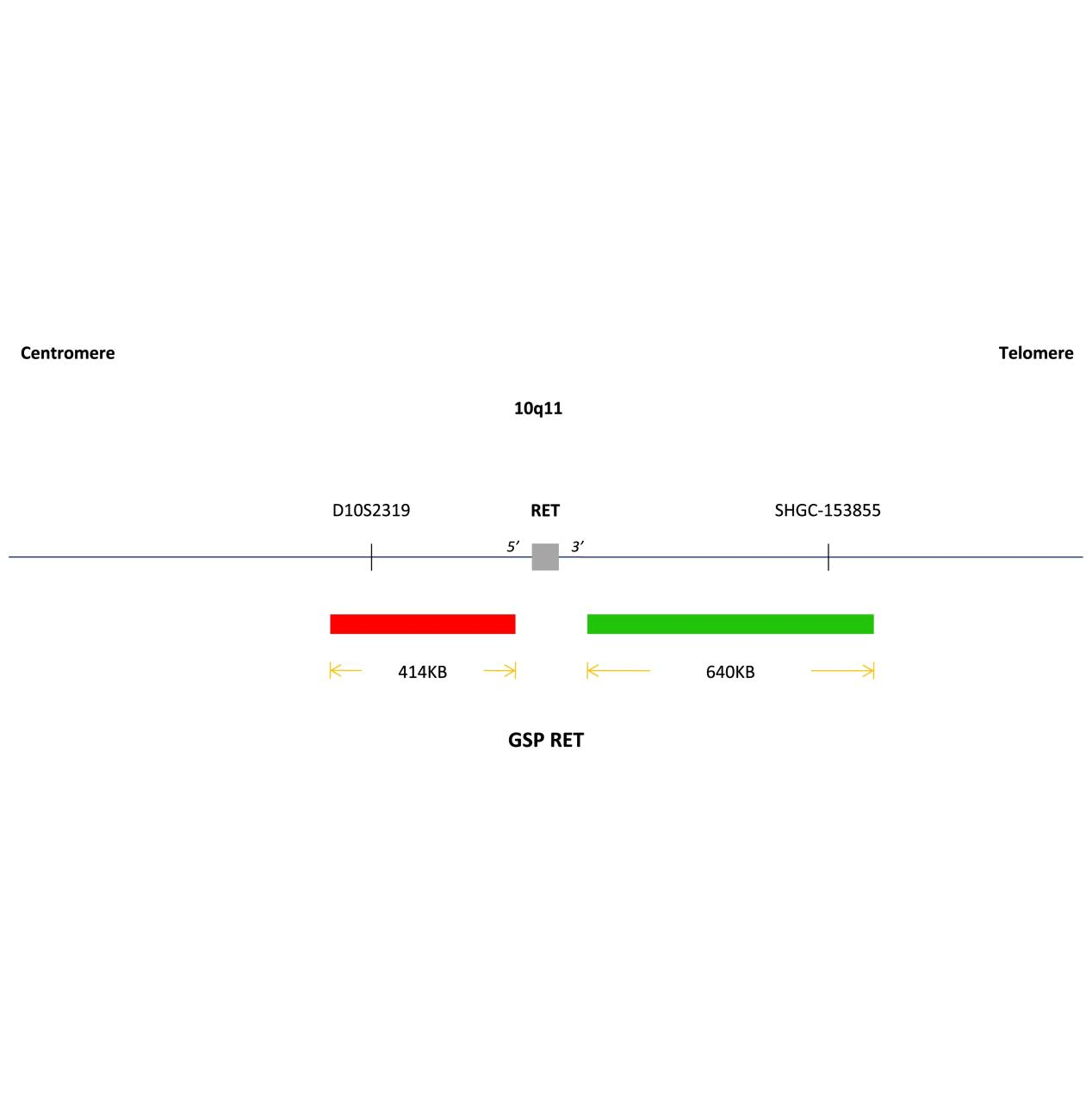
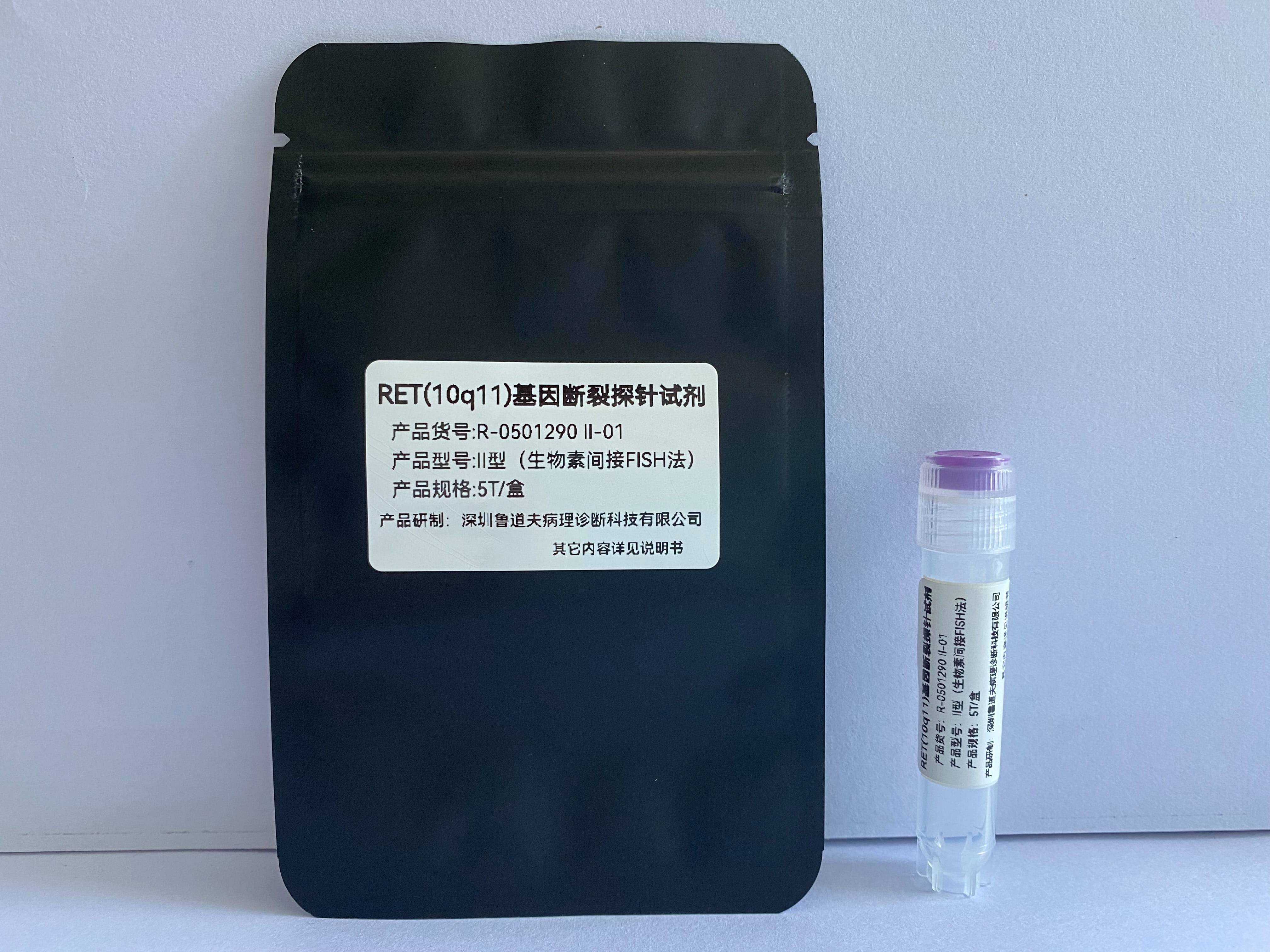
Lung cancer
occurs in 1-2% of patients with non-small cell lung adenocarcinoma;
is expressed at low levels in normal lung tissue, and gene rearrangements that activate the kinase-active region of RET are expressed at high levels in lung cancer samples;
The three targeting agents, Vandetanib,Sorafenib, and Sunitinib, inhibit the activity of multiple receptor tyrosine kinases, including RET, and kill cells harboring the RET fusion gene Thyroid Cancer.
Thyroid Cancer
In papillary thyroid carcinoma (PTC), the RET gene can be fused with a variety of partner genes, such as RET-HRH4 (30-80%), RET-HRH4 (5%), and RET-NCOA4 (15-70%); poorly-differentiated thyroid carcinoma (0-13%); and Post-Chernobylchildhood thyroid carcinoma (50-90%).
Fibroblastic/myofibroblastic neoplasms and verrucous lesions
Applied to fibrosarcoma after radiotherapy;
Poor prognosis, most die within 2 years of tumor onset.RET gene rearrangements play an important role in the development of fibrosarcoma after radiotherapy.
Colorectal cancer
RET fusion has an incidence of 7.6% in bowel cancer, and the dominant populations are patients with right hemi-colon cancer, MSI-H, and RAS/BRAF wild-type. Routine testing of the RET gene in the dominant populations is recommended because of the clear prognostic value and potential therapeutic targets;
Regorafenib, a multi-targeted TKI, with positive results in a phase III clinic, has been shown to be an effective and prolonged therapeutic target for metastatic colon rectal cancer and can prolong OS in colorectal cancer patients after failure of standard therapy.Although it is said to be a multi-target, there is a certain selective tendency, such as VEGFR1, KIT, RET, and BRAF V600E.





 0752-2228195