Myelodysplastic syndromes (MDS)
The 2006 WHO Classification Series of Tumors - Pathology and Genetics of Tumors of Hematopoietic and Lymphoid Tissues classifies cytogenetic alterations as prognostic factors into 3 risk groups: good prognosis (low-risk group): normal cytogenetics, abnormalities in del(5q), del(20q), and -Y alone; poor prognosis (high risk group ): complex cytogenetic abnormalities, i.e. ≥3 recurrent abnormalities, or chromosome 7 abnormalities; intermediate prognosis (intermediate-risk group): other cytogenetic abnormalities.
Acute myeloid leukemia (AML)
Deletion of the long arm of 5q is the most common rearrangement in AML and MDS; chromosome 5 abnormalities account for approximately 40% or more of treatment-related MDS Poor prognosis.
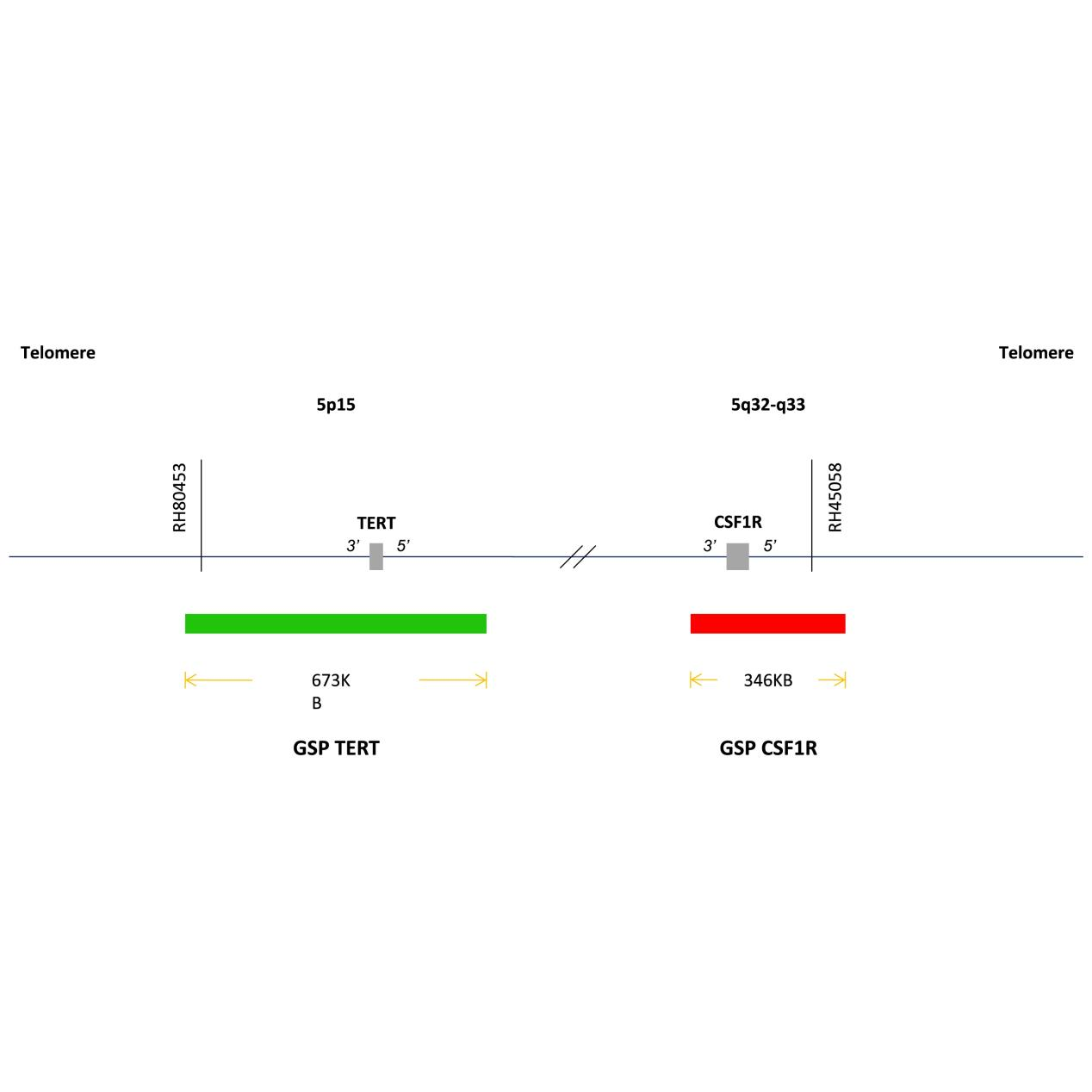
Chromosome number and long and short arm testing
Deletion of the long arm of 5q is the most common rearrangement in AML and MDS; chromosome 5 abnormalities account for more than 40% of treatment-related MDS;
Deletions occurring within 5q (5q31-q33) occur in 10-15% of MDS patients and have a favorable prognosis;
5q deletion syndrome, a separate molecular type added by WHO in 2000, has a predominance of female patients and a better prognosis;
Thalidomide works well in those with 5q deletion abnormalities. Testing for 5q deletion and mutations in the p53 gene is required before and during use.





 0752-2228195